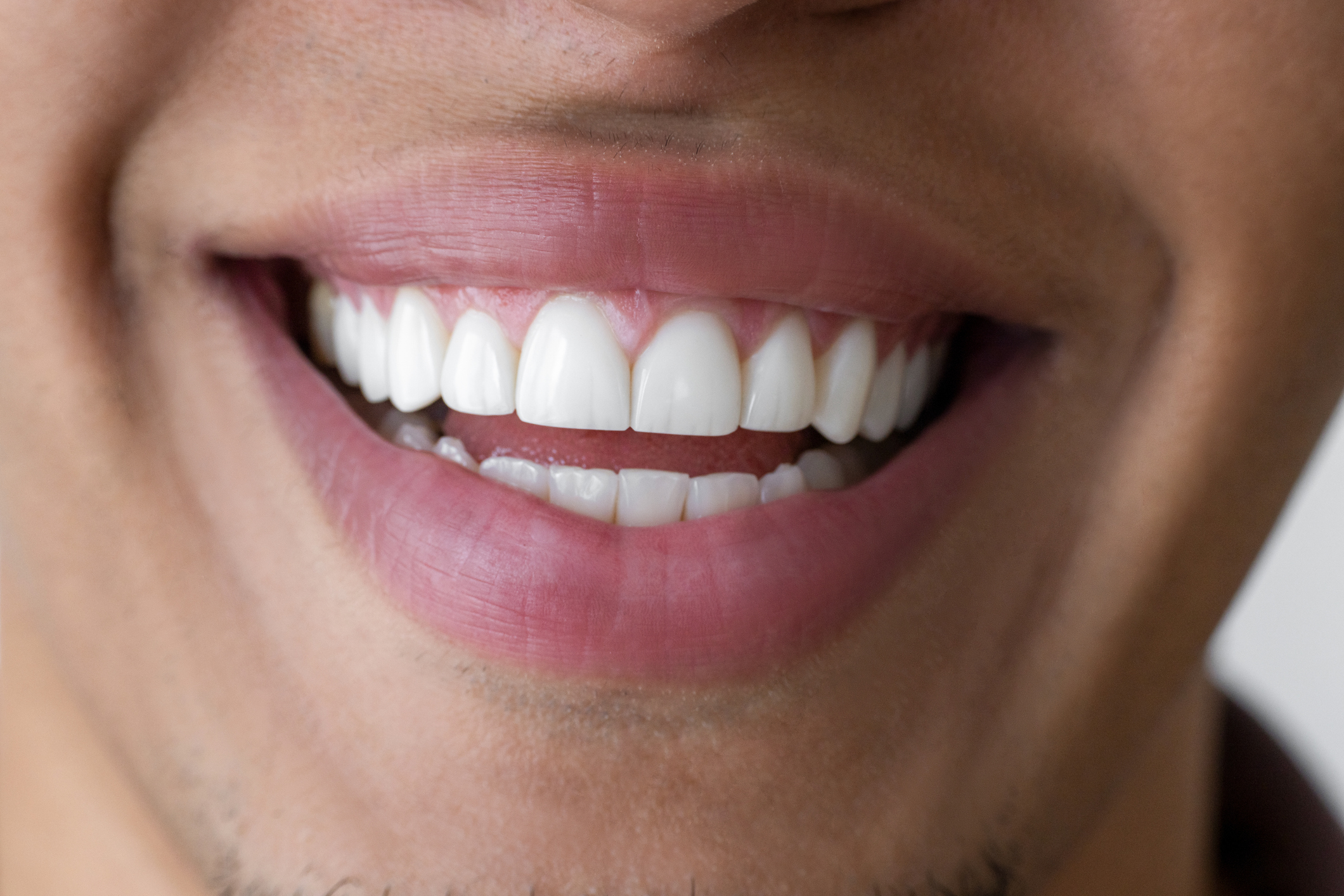
Tooth wear is a common dental concern that can affect people of all ages. It often develops gradually over many years, making it easy to overlook until noticeable changes appear in the teeth.
You may notice teeth becoming shorter, flatter, more sensitive, chipped, or less attractive cosmetically. In some cases, tooth wear can also affect how the teeth function and how the bite comes together.
At Edinburgh Dental Studio, we regularly help patients understand the causes of tooth wear and explore treatment options designed to protect and restore their smiles.
Tooth wear occurs when the outer surface of the tooth, known as enamel, is gradually lost over time. Because enamel does not naturally grow back, identifying the cause of wear early is important to help prevent further damage.
In many cases, tooth wear results from a combination of factors rather than a single cause.
Many people grind or clench their teeth without realising it, particularly during sleep or periods of concentration and stress.
Over time, this repeated pressure can cause:
Tooth grinding, also known as bruxism, is one of the most common causes of excessive tooth wear.
Acid can soften enamel, making teeth more vulnerable to wear.
Common sources of acid include:
When enamel is softened by acid, everyday activities such as eating and brushing can accelerate tooth surface loss.
Good oral hygiene is essential, but brushing too aggressively can contribute to tooth wear.
Using excessive pressure or a hard-bristled toothbrush may gradually wear enamel and expose the root surfaces near the gum line.
This can lead to:
A soft-bristled toothbrush and gentle brushing technique are generally recommended.
The way your teeth meet together can have a significant impact on wear patterns.
If your bite is uneven or certain teeth absorb excessive force, they may wear more quickly than others. Misaligned teeth can also create areas of concentrated pressure that contribute to ongoing damage.
In some cases, correcting tooth position may help reduce future wear.
Some degree of tooth wear is a natural part of ageing. However, certain habits can accelerate the process, including:
While these habits may seem harmless, they can contribute to cumulative damage over time.
Prevention begins with identifying the underlying cause.
Depending on your individual circumstances, recommendations may include:
Early diagnosis can often prevent the need for more extensive treatment later.
The most appropriate treatment depends on the severity of the wear and the underlying cause.
Composite bonding is often an excellent option for mild to moderate tooth wear.
Tooth coloured composite material can be carefully added to rebuild worn edges, improve tooth shape, and restore a more youthful appearance.
Benefits include:
Where tooth position or bite problems are contributing to wear, orthodontic treatment such as Invisalign may be recommended.
By improving alignment and distributing forces more evenly, treatment can help protect teeth and create a stronger foundation for restorative work.
For patients who grind or clench their teeth, custom made night guards can help protect teeth from further wear while sleeping.
These appliances are often recommended alongside restorative treatment to help maintain results.
In more advanced cases, porcelain restorations such as veneers, onlays, or crowns may be considered.
These restorations can:
Treatment planning is always tailored to the individual needs of the patient.
For patients with more significant wear affecting multiple teeth, a combination of treatments may be recommended to restore function, comfort, and appearance.
This may include orthodontics, composite bonding, whitening, porcelain restorations, and protective appliances as part of a carefully planned approach.
At Edinburgh Dental Studio located in Edinburgh’s West End, we take a comprehensive approach to diagnosing and managing tooth wear.
Using detailed examinations, digital imaging, and bite assessments, we can identify the likely causes of wear and develop a personalised treatment plan designed to protect your teeth for the future.
Whether you have noticed flattening of the teeth, increased sensitivity, chipping, or changes in your smile, early assessment can help prevent further damage and preserve your natural teeth.
Tooth wear often develops slowly, but the effects can become increasingly difficult to reverse if left untreated.
If you have concerns about worn teeth, sensitivity, or changes in your smile, seeking professional advice can help identify the cause and explore the most appropriate options for prevention and treatment.
With early intervention and the right care, it is often possible to protect your teeth, restore their appearance, and maintain a healthy smile for years to come.
Back to blog index


